Whats Good sent over some questions for Dr. Kantor on the health benefits of gourds.
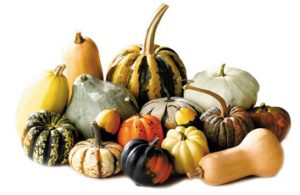
What are some of the most commonly known foods that are actually technically gourds? (Pumpkin, butternut squash, etc.)
Acorn squash, Blue Hubbard, Cushaw, festival squash, golden acorn, turks turban
What are some of the benefits of eating these foods?
Gourds are naturally low in calories (approximately 50 calories per serving) and high in fiber (approximately 3 grams per serving), they leave you feeling full without going overboard on calories that could cause weight gain.
What vitamins or minerals do they contain? What effect do those vitamins or nutrients have on our bodies?
- Most gourds are rich in vitamin A, which aids in vision, specifically night vision.
- The orange colored gourds (pumpkins, butter nut squash to name a few) are rich in carotenoids, including the antioxidant beta-carotene, which also contributes to healthy vision and cancer prevention.
- Gourds also contain 20% of your daily value of vitamin C, this helps with healing and boosting the overall immune system.
- The seeds of pumpkins, which are edible contain tryptophan, an amino acid that helps boost mood through its role in serotonin production.
- Gourds also contain potassium, which can help muscles recover and replenish electrolytes after a hard workout.
What are some common ways to eat these foods and make sure they’re part of a healthy diet?
Avoid adding butter and sugar to gourd recipes, this is common but it can also be easily replaced with healthier options.
Soften acorn squash in the microwave, slice it thinly and roast with olive oil and fresh rosemary.
Add fresh pumpkin to oatmeal with cinnamon and a dash of pure maple syrup (optional)
Roast pumpkin seeds and slightly salt with high quality sea or Hymilayian salt.
Roast spaghetti squash and scrape out with a fork to use instead of traditional spaghetti as a healthier high fiber option.