By Joe Perry
As you might know, treating the “D-I-S-H” (Digestion, Inflammation, Stress, Hormones) can be paramount to improving people’s health. These areas are core principles for improving your health.
There has been so much recent press about these four health issues. A preponderance of the news relates to the problems that inflammation is causing. We published an article titled; “Inflammation and Cardiovascular Health,” which covered the effects inflammation can have on blood vessels and the heart.
There is another very important thing to be aware of – inflammation also causes a variety of other health issues. It might sound crazy, but mental health is near the top of the list of problems caused by chronic inflammation! This is important to all of us, from the student who can’t think clearly while studying for an exam, to the athlete suffering from excessive fatigue, to the elderly who are experiencing diminished mental abilities.
Inflammation and Mental Health
We recently covered the reasons that inflammation increases your risk for heart disease. Let’s discuss another serious problem that inflammation is associated with – mental health. This includes basic brain function, as well as serious conditions like dementia and Alzheimer’s. The amazing thing is many of these problems can be diminished or even eliminated when we get inflammation in control.
A lot of inflammation occurs in the gut and many times manifests itself in the form of gas, bloating, indigestion and other gastrointestinal issues. We sometimes refer to this as ‘silent’ inflammation, because most people don’t realize that inflammation is the core issue.
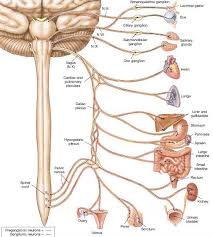
How can inflammation in the gut ultimately affect the brain? There happens to be an intimate connection between the gut and the brain – it’s the Vagus Nerve. This is a pathway that runs from the stem of the brain, extending down into the lower abdomen. It’s kind of like a ‘super highway’ where cell messengers (Cytokines) travel and deliver instructions to various parts of the body, including the brain. The Greek word ‘cyto’ means ‘cell,’ and ‘kine’ means ‘movement.’ Studies have shown that this is a major part of the gut/brain connection, and is a common route for inflammation to spread to different parts of the body. Some have said; “fix your gut and you fix your brain.”
The illustration below shows the Vagus nerve and its pathways. Look at the areas it connects to – it’s apparent how inflammation can be transported to various parts of the body, including the brain. This is something that we should all be aware of…Especially the ‘older generation.’
The Vagus Nerve
Reducing Inflammation Can Offer Dramatic Results in Many Areas
Science is revealing that reducing inflammation can have dramatic effects on many aspects of your health. This includes GI tract, organs, heart and brain. In fact, since about 70% of your immune function resides in the gut – reducing inflammation in the gut substantially improves immune function. This can result in fewer illnesses, allergies and other problems caused by a compromised immune system.
Let’s review some facts from our last article:
The primary causes of chronic inflammation:
- Periodontal disease. A lot of inflammation can ‘hide’ in the gums.
- Stress. Surges in the hormone cortisol hinder the body’s ability to regulate inflammation.
- Lack of exercise. Regular exercise can reduce inflammation.
- Poor Diet. ‘Empty foods’ cause the body to produce chemicals that increase inflammation. Many Americans don’t eat nearly enough vegetables & fruits, which can really help reduce inflammation.
- Smoking.Inhaling smoke increases inflammatory compounds.
- Obesity. Fat cells produce a large quantity of chemicals that cause inflammation.
How to decrease inflammation:
- Address the primary causes listed above.
- Eat fewer Omega 6 fatty acids, which increase inflammation. These include oils made from corn, safflower, sunflower, soybean and cottonseed. The typical American eats about 20 times more Omega 6’s, compared to Omega 3’s. The ratio should be 2-to-1 – NOT 20-to-one!
- Eat more Omega 3 fatty acids. Fish oil, olive oil, nuts & flaxseed oil are good sources.
- Eat more antioxidant-rich vegetables, fruits and nuts. High quality green food smoothies can be a great part of your anti-inflammatory diet.
- Use adaptogensto help offset the effects of stress.
- Eat and drink more alkaline foods.
We have been very excited to see the results people experience when they put these things into practice. Remember, your body has incredible healing power when you provide it with the right things.
Joe Perry is a nutritional expert and product formulator and has worked in the nutritional industry for over 30 years. He is CEO of NatraLife, LLC . You can read more of his articles at: www.natralife.com/articles